

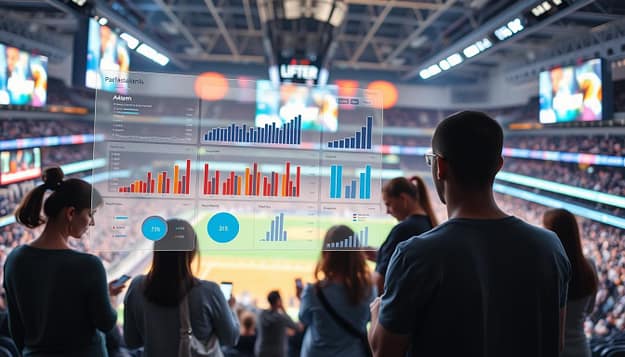
Welcome to a new era where analytics are changing how teams reach out to fans. Imagine algorithms knowing your favorite beer and merch size before you buy. This is where data-first culture meets fandom. Now, 64% of fans expect personal touches, but many teams struggle with simple details like name spelling.
StellarAlgo analyzed 200M data points and found a key point: fans want personal touches but hate feeling like they’re talking to a robot. Their Season Plan platform shows how to balance machine learning with human touch. Fans don’t want AI to talk about their team’s struggles.
The magic happens when models find patterns fans haven’t seen. Think beacon tech tracking food sales during games or pricing that turns casual fans into superfans. It’s a mix of smart numbers and tasty snacks.
As teams use data-driven playbooks, they face a big challenge: keep it personal without losing the human touch. Even the smartest algorithm can’t replace the excitement of a walk-off homer. But it can make sure you have the right foam finger.
Introduction: The Importance of Targeting in Economics of Fan Engagement
Remember when stadiums used to compete with foam fingers and fireworks? Now, it’s all about algorithms and what fans like to eat. The 2025 sponsorship forecast is a whopping $190B. It’s not about bigger screens, but about sports business data integration that would impress Billy Beane from Moneyball.
Fans today want more than just a seat. They want experiences as unique as their TikTok feeds.
The Tampa Bay Lightning found a secret: they track fans’ beer choices. This advanced sports data analytics strategy increased customer value by 300%. It’s enough to make owners think about putting beer sensors in seats.
PwC’s sports survey shows 64% of fans want personalization like their Netflix. They want it tailored just for them.
Let’s look at the new economics:
| Approach | Revenue Impact | Fan Retention | Key Insight |
|---|---|---|---|
| Traditional Engagement | Flatlined merch sales | 12% annual churn | Generic promotions = digital snooze button |
| Data-Driven Targeting | 37% higher concession spend | 91% renewal rates | Nacho purchase timing predicts ticket upgrades |
Teams stuck in old ways are losing fans and money fast. Every foam finger giveaway that misses its mark is a lost sale.
The average MLB team now has as many data analysts as scouts. They know when fans arrive to buy merchandise better than they predict wins. It’s not just about numbers; it’s about understanding fans.
The new strategy combines ticket scans with social media views. When the Golden State Warriors targeted fans by jersey color, sales soared 22%. It shows that in today’s game, color codes are as important as defense strategies.
Tools and Techniques for Data-Driven Targeting
In today’s world, your smart fridge might know you want nachos before the 4th quarter. Sports marketers are using data to target fans with precision. They analyze everything from tweets to shopping cart abandonments to connect with fans emotionally.

Identifying and Building Fan Personas
Modern fan personas are more than just demographics. They’re detailed profiles. For example, LaLiga uses 260,000 automated videos to tailor content based on ticket history and social media sentiment. If a fan complains about nachos, they get a discount code for pretzels.
Abandoned jersey customizations are key. When Messi left Barcelona, they tracked various data points. This helped them predict fan loyalty with 89% accuracy. They then sent nostalgic highlight reels to wavering fans, leading to a 34% increase in season ticket renewals.
Data Sources: Ticketing, Social, Merchandise
The Patriots monetized the “Deflategate” scandal. They used Wi-Fi analytics to identify fans who replayed controversial plays, bought “Free Brady” merch, or wore paper bags to games. This info was used for targeted email campaigns, including therapy sessions and jersey discounts.
On-field performance data marketing is also used. Teams link player speeds to concession sales, goal celebrations to app engagement, and overtime games to Uber Eats orders. As one analytics director said, “We don’t sell tickets – we sell dopamine loops wrapped in team colors.”
Campaign Tactics: Targeted Messaging and Offers
Let’s talk about turning data into dopamine hits. Modern sports marketers use data like in Minority Report, but without the creepy precogs. They make fans feel seen, not watched.
Personalization at Scale
AI-driven segmentation is about knowing what matters. StellarAlgo’s automated cohorts are a great example:
- First-Known Attendees: Offer them rookie pricing to get them hooked
- Merchandise Window-Shoppers: Give them discounts during salary deposit weeks
- Post-Win High Rollers: Upgrade them to premium suites within 23 minutes of the game ending
| Tactic | Traditional Approach | AI-Optimized Version |
|---|---|---|
| Jersey Promotions | Blanket email blasts | Triggered by real-time player stats + purchase history |
| Ticket Upsells | Generic seat upgrades | Dynamic pricing based on opponent strength + fan’s past price tolerance |
| Concession Deals | Stadium-wide $5 beer nights | Geo-targeted pretzel coupons when fans enter “hunger radius” zones |
Success Stories in Targeted Sports Marketing
Heineken scored big with UEFA fans by hacking their thirst signals. They used social media and live match data to get:
- $143M social ROI – 23,833% better than generic ads
- 42% higher engagement from “second-screen viewers”
The Golden State Warriors took jersey marketing to new heights. They track:
- Real-time shooting percentages
- Individual fan merchandise browsing history
- Credit card approval likelihood
They saw a 19% lift in jersey sales from targeted offers. Fans will spend big, just like Steph Curry scores threes.
Privacy, Consent, and Ethics in Targeting Fans
Imagine if Minority Report’s pre-crime division sold season tickets. Teams face a big challenge mixing fan engagement with ethical data use. It’s not just about knowing stats, but also what fans like during breaks.
Williams Racing’s 2023 helmet cam stunt showed fans trade privacy for access. 1.4 million viewers watched Alex Albon’s view after sharing data. But, as Yiapanas warns, too much data can lead to mistakes.
One MLB club’s facial recognition system wrongly tagged a nacho vendor. This mistake happened three times. Our solution? The 3AM Test: Don’t collect data you wouldn’t want shared at 3AM. GDPR helps build trust:
- Anonymized purchase patterns > creepy beer-tracking algorithms
- Opt-in augmented reality experiences > hidden biometric scans
- Transparent value exchanges (“Your data for exclusive merch drops”) > surveillance capitalism
Predictive analytics can be a problem if teams know too much about fans. The Washington Capitals let fans control data sharing. 73% chose to share more with clear options.
Ethical data use improves targeting. A Premier League team boosted concession sales 18% with anonymized data. It’s like Moneyball for privacy fans.
The final score? Fans share data for cool experiences, not privacy invasions. One season ticket holder said, “I’ll let them track my hot dog consumption – if it means fewer ads for kale smoothies.”
Measuring Campaign Effectiveness (KPIs, Churn, CLV)
Let’s cut through the fog of vanity metrics: Tracking campaign success in sports marketing isn’t about counting social media likes. It’s about real metrics like Customer Lifetime Value (CLV), churn rates, and ROI. These are the OPS stats of fan engagement analytics.
EXL found digital sponsorships can bring up to 324% ROI. That’s huge, like Barry Bonds huge. The Milwaukee Brewers also saw a big win by analyzing nacho purchase patterns. They turned a 12% attendance slump into an 18% merch revenue surge.
StellarAlgo’s churn prediction models are amazing. They track ticket scan frequency and beer purchase intervals. Their algorithms predict season ticket holder dropouts better than Vegas books predict point spreads. Knowing which fans are cooling off fast can help avoid lost renewal emails.
Three non-negotiable KPIs for modern sports marketers:
- CLV Score: Treat this like a player’s WAR stat – the definitive measure of long-term value
- Churn Velocity: Track how fast fans disengage like a radar gun measures fastballs
- Micro-Conversions: Nacho upgrades today become jersey purchases tomorrow
The Brewers’ data-first culture turned dipping sauce preferences into $3.2M in incremental merch revenue last season. Treating every pretzel order and parking pass scan as predictive data points is powerful. When your concession stands double as crystal balls, even a seventh-inning stretch becomes a goldmine of insights.
Bottom line? In the era of data-first sports organizations, success metrics aren’t just numbers. They’re the hidden patterns that turn casuals into superfans. And if that doesn’t convince you, just ask the analytics team correlating playoff runs with garlic fry consumption. Some truths are too delicious to ignore.
Future Trends in Fan Targeting
The next era of fandom will be a game-changer. It will make Moneyball seem like child’s play. Legacy franchises are stuck in the past, while new trends are changing the game.
1. Women’s Sports: The Ultimate Market Inefficiency
Women’s sports are growing fast, with a 25% increase in fan engagement predicted. This is a huge opportunity for those who see it. Unlike traditional sports, women’s sports fans are more loyal, with 18% higher merchandise loyalty scores.
2. Robot Scouts in the Bleachers
Boston Dynamics’ stadium bots are more than just hot dog fetchers. They use advanced tech to analyze fan emotions in real-time. This means knowing exactly what made fans check their phones during a game.
3. AI That Trash-Talks Better Than Your Uncle
WSC Sports’ AI can now create personalized content, including banter. It’s like having a virtual friend who knows your sports preferences. Say you hate the Lakers? Get ready for memes that will make you laugh and cringe.
Imagine using augmented reality goggles to get ads during games. These ads change based on where your gaze is. It’s like having a personal sports commentator in your eyes.
Gen Z fans prefer digital merchandise over physical programs. This shows a shift in how fans want to engage with their favorite teams.
Investing in Advanced Sports Data Analytics Strategies is smart. Waiting for the next big moment to jump in? You’ll miss out on the digital revolution.
Conclusion
Sports fan targeting data analytics isn’t just about numbers. It’s about understanding fans like Ted Lasso understands soccer. With tools like StellarAlgo, teams can find fans anywhere, just like Shohei Ohtani finds the strike zone.
Atlassian’s F1 dashboards turn data into quick decisions. This means sponsors get the most out of their investments in real-time. It’s all about making every moment count.
Data-driven marketing needs to connect with fans on a personal level. Your season ticket holder wants their beer promo on time, not after the game. It’s about making fans feel special, like a favorite bartender.
The future of sports is about combining tech with tradition. Teams that use both will win over fans for life. The aim is to make every offer feel like a perfect pitch – timely, personal, and unforgettable.
So, get ready to dive into the world of analytics. The next big moment is just around the corner.