

Remember when sports analytics meant counting free throws with a clipboard? We’ve made huge strides from those days.
Now, wearable tech gathers more data in warmups than old seasons. But, the harsh truth is: garbage in equals garbage out.
Teams spend big on analytics but often get bad data. The difference between LeBron’s success and a college athlete’s mistake? Proper data collection.
Results show: 20% better performance and 30% fewer injuries. That’s not small gains – it’s winning championships or retiring early.
Let’s see why getting the basics right is more important than any advanced algorithm.
Types of Performance Data
Sports analytics is more than just counting goals and tracking sprints. It’s like watching the game in 4K HDR while others see it in black and white. Modern performance data is so advanced, it would make Billy Beane from Moneyball need a drink and a break.
Athletes are now measured with the precision of NASA engineers. The data from today’s top athletes would impress even Tony Stark’s JARVIS system.
Biomechanical Analysis Data
This isn’t just motion capture. It’s like looking at athletic movement under a microscope. High-speed cameras and sensors break down a pitcher’s throw into 300 data points per second.
We’re talking about analyzing the physics of perfection. Every rotation, every angle, every micro-adjustment that separates champions from participants.
Movement Pattern Metrics
These metrics reveal the hidden patterns in athletic excellence. They track:
- Joint angle consistency during explosive movements
- Weight transfer efficiency across different surfaces
- Symmetry between left and right side performance
- Recovery positioning between high-intensity efforts
It’s like having a digital coach that never blinks and never misses a detail.
Physiological Monitoring Data
Today’s athletic monitoring would make a hospital ICU jealous. We’re building medical-grade athlete profiles that track far more than just heart rates.
The data streams include heart rate variability, oxygen saturation levels, lactate thresholds, and metabolic efficiency. It’s preventative medicine meets peak performance optimization.
Real-time Vital Sign Tracking
This is where sports analytics gets seriously sci-fi. Real-time monitoring provides instant feedback on:
- Cardiac stress during maximum effort
- Respiratory efficiency under fatigue
- Thermal regulation in extreme conditions
- Hydration levels through sweat analysis
It’s like having a medical team inside the uniform, whispering warnings and opportunities directly to the coaching staff.
Psychological Performance Data
Here’s where we separate next-level sports analytics from mere number-crunching. We’re now measuring the software running on the athlete’s hardware.
This isn’t touchy-feely stuff – it’s quantifiable cognitive science applied to competitive environments.
Cognitive Load Indicators
These metrics measure mental performance under pressure. They track decision-making speed degradation during fatigue, reaction time consistency, and even visual processing efficiency.
Cristiano Ronaldo’s WHOOP data implementation shows why he dominates players half his age. It’s not just physical – it’s about measuring how sleep patterns affect split-second decisions at critical moments.
This data becomes the foundation for developing effective KPIs that actually reflect athletic performance. We’re not just counting what athletes do – we’re understanding why they excel and how they can improve. That’s the real power of modern performance data analysis.
Technologies & Tools Used
Remember when sports tech was just clipboards and stopwatches? Those days are gone. Now, athletes wear more tech than NASA used to send to the moon.
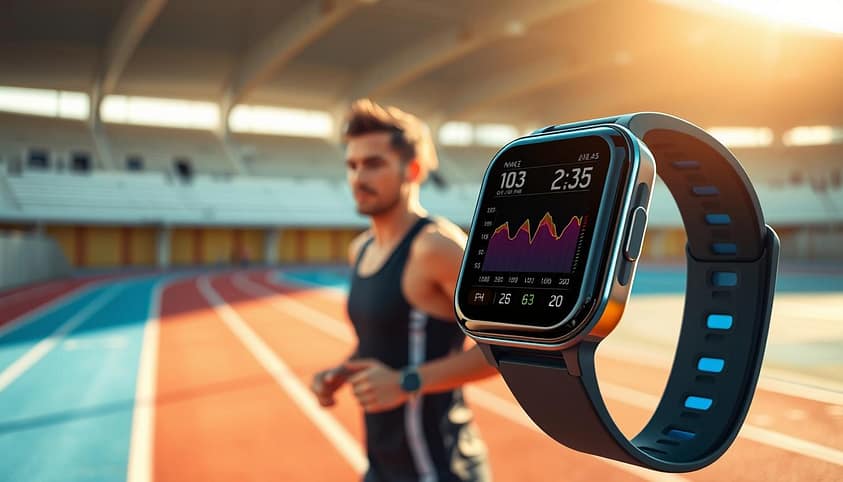
Wearable Technology Systems
Today’s wearables are far from your dad’s pedometers. They have more sensors than a spy van. Athletes wear tech that would impress even James Bond.
GPS Tracking and Accelerometers
GPS vests track athletes with military accuracy. They monitor movement in ways that confuse Google Maps. Garmin watches track heart rates, and WHOOP straps analyze recovery better than doctors.
When these devices work together, they create detailed performance maps. It’s like having X-ray vision into an athlete’s performance.
AI Analytics Platforms
Without AI, all that tech would be useless. AI platforms like IBM Watson analyze huge amounts of data. They process it like it’s breakfast.
Machine Learning Algorithms
These algorithms don’t just analyze data; they predict the future. They spot injury risks and performance patterns that coaches might miss.
They learn what optimal performance looks like for each athlete. They become digital coaches that never sleep.
Integrated Monitoring Systems
Integrated platforms like Kitman Labs and SMARTABASE are the real magic. They don’t just collect data; they create athlete performance systems.
Data Fusion Technologies
Data fusion technologies combine different types of data into one dashboard. They merge GPS, heart rate, and recovery scores.
Coaches can see how sleep affects sprint performance. They understand how stress impacts reaction times. It’s holistic athlete management powered by sophisticated data integration.
These systems are so advanced, they’re like medical devices in sports equipment. They measure muscle oxygenation and neural fatigue. The tech knows more about an athlete’s body than they do.
The future? Even smarter sensors with predictive analytics. We’re building data-powered crystal balls.
Building Effective Data Pipelines
Most teams dive into data collection like kids in a candy store. They grab every gadget but forget about the plumbing needed to make it useful. Building good data pipelines is what separates the pros from the amateurs.

Data Collection Infrastructure
Putting sensors on athletes is the easy part. The real challenge is in making sure they measure what they claim. GPS trackers that measure yards in meters are like using a teaspoon to measure ocean currents.
Proper calibration is more than just paperwork. It’s what keeps your analytics from becoming sports fan fiction. Elite teams use a three-layer calibration:
- Pre-session baseline testing
- Real-time drift correction
- Post-session validation checks
Sensor Calibration Protocols
Calibration is like teaching devices to speak the same language. Without it, understanding data is like using Google Translate for French measurements.
The Premier League’s success in reducing injuries didn’t happen by chance. It came from treating calibration like NASA treats rocket science. Inaccurate data is worse than no data at all.
Data Processing Frameworks
Modern wearables generate a lot of data. Your processing framework needs to handle this flood without crashing. It’s like a rookie quarterback under blitz pressure.
Real-time analytics architecture is about speed and smart filtering. It knows what data matters right now versus what can wait.
Real-time Analytics Architecture
The best systems work like air traffic control. They prioritize data streams, route them, and alert coaches to changes immediately.
This isn’t about building a faster computer. It’s about building a smarter filter that separates signal from noise in milliseconds. The difference is spotting fatigue patterns during practice versus reading about them tomorrow.
Integration Best Practices
Most systems turn into digital Tower of Babel situations. Getting Catapult data to talk to WHOOP recovery metrics while flirting with video analysis systems requires diplomatic skills.
Integration isn’t about forcing everything into one platform. It’s about creating translation layers that preserve meaning across different measurement languages.
Cross-Platform Data Synthesis
The champions of data collection don’t just collect more data. They create conversations between data sets that reveal patterns invisible to single-system analysis.
Think of it as musical harmony versus solo instruments. Individual data streams sound nice together, but synthesis creates something new and more powerful.
| Integration Challenge | Common Pitfall | Pro Solution | Result Impact |
|---|---|---|---|
| Time Synchronization | Data streams out of phase | Atomic clock referencing | ±0.1s accuracy across systems |
| Metric Translation | Apples-to-oranges comparisons | Unified scoring framework | 15% better pattern recognition |
| System Communication | API conflicts and errors | Middleware translation layer | Real-time data synthesis |
| Data Storage | Incompatible formats | JSON-LD standardization | Seamless historical analysis |
The teams that master this synthesis don’t just win games. They rewrite the playbook on what’s possible in sports performance. Proper data collection pipelines are about championship engineering, not just technology.
Case Studies in Sports Data Collection
Real-world results show the true value. The sports analytics revolution is a lesson in winning big.
Elite Athlete Implementation
Cristiano Ronaldo’s use of WHOOP shows how sensors can beat time. His recovery plan, based on HRV, is a blueprint for longevity.
Team-Based Systems
Premier League programs cut injuries by 15%. Coaches now know when to push players, changing the game.
Injury Prevention Success Stories
Predictive analytics catch movement issues before injuries happen. These AI-driven methods reduce injury risk by 30%. They’re changing careers and winning championships.
Sensors are now a must-have, not just a nice-to-have. The success stories show why top organizations need these tools.