

Welcome to the Moneyball era of fandom, where your jersey size might be predicted before you finish your stadium beer. Even offshore sportsbooks are leaning into the data surge, using algorithms to fine-tune odds and anticipate fan behavior. The days of basic “you might also like” recommendations are over. Now, we have neural networks that map fan lifecycles like astrophysicists chart dark matter.
Stats Perform’s AI analyzes player movements with the precision of a neurosurgeon. Amazon Prime’s Next Gen Stats turns quarterbacks into data constellations. No wonder 73% of sports executives now treat artificial intelligence like their star quarterback – the secret weapon in their engagement playbook.
But here’s the curveball. As organizations build data-first cultures, they’re facing ethical fastballs. When does predictive analytics cross from clever to creepy? Could your team’s chatbot become the Black Mirror version of a die-hard superfan?
The real game-changer? These systems aren’t just selling tickets – they’re rewriting how loyalty gets manufactured. Forget foam fingers; the future’s about algorithms that know your kid’s birthday before you do. The question isn’t whether sports need AI, but whether we’re ready for what happens when the algorithm becomes the ultimate armchair quarterback.
Introduction: Shifting From Intuition to Intelligence in Fan Engagement
Remember when decisions were made by guys named Sal who “just knew” what would work? That era is gone. Today, fan engagement analytics use algorithms to make sure. The Sacramento Kings’ #LightTheBeam campaign shows why.
When purple laser beams lit up Sacramento last season, it was more than just a stunt. It was AI listening to fans and turning their hopes into action. This led to a huge increase in merchandise sales and 30 million TikTok views. It was a big win for a team that hadn’t seen playoffs in a long time.
The Warriors use a smart pricing system that’s like a high-tech version of Uber. They use machine learning to look at:
- How much fans talk about the team on Instagram
- How the weather affects ticket sales
- How player fouls relate to concession sales
IBM found that 68% of millennials want teams to know what they need. The NBA app does just that, giving Utah fans snowboarding videos and Miami fans beachside interviews.
This isn’t just about selling more stuff. It’s about creating a strong bond between fans and the team. Every notification, new item, and game experience changes how fans think. It’s like a new kind of loyalty.
So, when you see a stadium lit up with AI, think about it. Is it just for fun, or is it shaping how we feel? Either way, the team is winning.
Understanding Fan Data for Machine Learning Models
Ever wonder why your stadium nachos order feels like a crystal ball prediction? Welcome to the algorithmic sausage factory. Here, every digital breadcrumb – from ticket stubs to TikTok rants – gets ground into machine learning fuel. Let’s dissect the three data types rewriting playbooks from Madison Square Garden to Camp Nou.
Social Analytics: The Digital Bleacher Report
Your angry tweet about VAR decisions isn’t just catharsis – it’s sentiment analysis gold. Teams now track social chatter with CIA-level precision:
- Emoji patterns predicting merch sales spikes
- Hashtag virality mapping regional fan clusters
- Meme shares correlating with ticket upgrade requests
FC Bayern Munich’s fan surveys revealed 63% of supporters unknowingly create marketable data through casual social interactions. But when the South Sydney Rabbitohs’ app accidentally exposed drinking habits? That’s when data segmentation in sports meets reality TV drama.
Transactional Footprints: The Money Trail
Your credit card statement tells teams more than your bank does. The NBA’s micro-segmentation model analyzes:
| Purchase Type | Fan Profile Clue | Monetization Opportunity |
|---|---|---|
| Premium Seats | High disposable income | VIP experiences |
| Concession Combos | Family-oriented | Kid-focused merch |
| Last-Minute Tickets | Impulse buyers | Flash sales targets |
Behavioral Ghosts in the Machine
That halftime bathroom break? You’re generating movement heatmaps that influence stadium renovations. Modern tracking blends:
- App dwell time during replay highlights
- Beacon technology mapping concession lines
- Facial recognition assessing jersey reactions
But here’s the rub – when Barcelona’s biometric scanners accidentally captured politicians in the crowd, GDPR fines made transfer-market spending look tame. Data segmentation in sports isn’t just about knowing your fans – it’s about not getting sued by them.
Core Machine Learning Approaches in Sports Fan Engagement
Sports teams now use machine learning to grab your attention. They use predictive models to guess what you want before you do. They also have recommendation engines that know you better than your family. And real-time triggers that play on your emotions like a pro.
Predictive Models
The Los Angeles Dodgers use AI to guess when you’ll want more snacks. Their system looks at:
- Weather patterns (90°F = 23% increase in frozen margaritas)
- Seat locations (upper deck fans buy 40% more snacks)
- Game tension levels (extra innings trigger nacho emergencies)
NFL Next Gen Stats turned player tracking into a goldmine. They figure out when you might switch channels. Then, they show you highlights fast, like a quarterback’s quick call.
Recommendation Systems
Manchester City’s system is like a pro at guessing what you’ll like. It looks at:
| Data Point | Merchandise Recommendation | Conversion Rate |
|---|---|---|
| Spotify playlists | Tour-themed headphones | 18% |
| Food delivery orders | Stadium recipe boxes | 27% |
| Parking app usage | VIP shuttle passes | 42% |
This isn’t just upselling. It’s anticipatory commerce, using your habits to guess what you’ll buy.
Real-Time Engagement Triggers
Sportsbooks’ live betting has changed how fans engage. Teams now use:
- Dynamic loyalty points during key plays
- AR filters that change with odds
- Personalized prop bets on apps
When the Golden Knights score, their AI offers deals on merch. It’s like a psychological trick, using your heart rate to make you buy more.
Case Study: AI-Driven Fan Campaigns in Sports Leagues
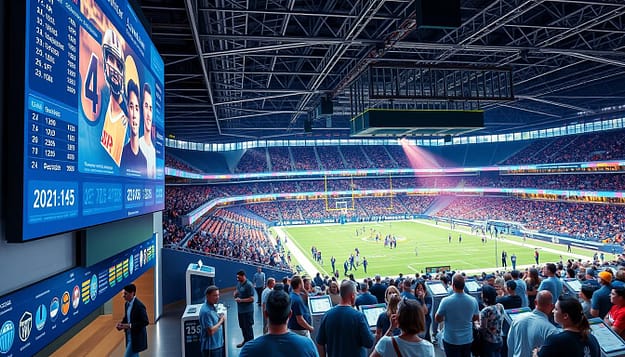
The South Sydney Rabbitohs changed rugby’s digital game. They didn’t just make an app; they created a fan frenzy. Their play-by-play analytics dashboard turned casual fans into merch lovers, boosting sales by 42% in one season. The key? A data-first culture that sees every fan action as a data point.
The Golden State Warriors also use data to their advantage. They track everything, from bathroom breaks to jersey colors. This helps them predict fan loyalty. But, teams are not just using AI to understand fans. They’re creating AI-driven fan engagement strategies that are so engaging, teams can’t function without them.
| Team | AI Strategy | Key Metric | Cultural Impact |
|---|---|---|---|
| South Sydney Rabbitohs | Behavioral prediction models | 42% merch sales increase | Created digital methadone clinic for fan addiction |
| Golden State Warriors | Real-time engagement triggers | 73% app retention rate | Data lake dwarfs Amazon’s recommendation systems |
| Sacramento Kings | Blockchain-powered loyalty programs | 1.2M digital interactions/game | Turned arena into living AI lab |
The Sacramento Kings took it to the next level. They mixed AR with blockchain loyalty tokens. Fans could trade digital high-fives with players’ avatars during the playoffs. It was like a mix of Westworld and Fantasy Football, with a machine learning twist.
What sets these data-first culture sports organizations apart? They don’t just collect data; they use it to their advantage. The Rabbitohs’ app doesn’t just show player speeds; it predicts when you’ll buy a scarf. The Warriors’ system doesn’t just recommend nachos; it times the offer to match your excitement.
This isn’t just smart marketing. It’s a big change in how teams view fans. They see fandom as something to be controlled, yet it feels more personal. The real question is, will we need digital detox centers for sports fans by 2025?
Monitoring and Measuring Engagement
Today’s sports marketers don’t just count fans in seats. They track tiny details like eyebrow twitches and bathroom breaks. FC Bayern Munich’s data team found that fans get really engaged when VAR goes against their team. They even found that a certain brow furrow can lead to more merchandise sales.
The Phoenix Suns took it a step further by watching how many fans go to the bathroom at halftime. They found that fewer bathroom breaks mean more money spent on snacks. It’s a new world where knowing how many fans use the bathroom is more important than ticket sales.
Here are some new sports marketing success metrics that are way more interesting than old KPIs:
- Rage-Retention Index™: Measures how angry tweets translate to repeat viewership
- Second-Screen Arousal Score: Tracks simultaneous device usage during key plays
- Jersey Swear Jar Algorithm: Calculates profanity levels in social comments
The Bundesliga found that fans who experience a bit of disappointment are more engaged in the long run. It’s like the excitement of the chase, but with fans’ emotions.
These metrics are like secret codes that reveal how fans really feel. By linking bathroom breaks to snack sales and VAR calls, you can predict what fans will buy next. It’s not just about measuring engagement; it’s about knowing exactly what fans want.
Overcoming Technical and Ethical Challenges in AI
Imagine your team’s AI acting like that friend who won’t stop pushing crypto schemes at a barbecue. This is the challenge of AI and data driven sports marketing. It’s about finding the right balance between personalization and respect for fans. From Amsterdam to Arizona, regulators are fighting against algorithms that know too much and sell too hard.

The EU’s AI Act is more than just rules. It’s a digital Bill of Rights that bans emotion recognition tech in stadiums and high-risk biometric surveillance. Dutch regulators recently fined a football club for using mental health data to target fans. This shows how knowing someone’s antidepressant prescription can make upselling tricky.
Three key issues are popping up worldwide:
- Gambling glitches: Australia limits AI-driven betting ads to 1 per hour. This is a response to algorithms that exploit fans’ emotions during live games.
- Bias blindspots: The NFL’s facial recognition systems have 35% higher error rates for darker-skinned fans. This creates security issues with racial undertones.
- Addiction architecture: Portuguese leagues audit recommendation engines that push merch purchases during late-night browsing.
The solution isn’t less AI, but smarter governance. Major League Baseball is now requiring teams to disclose data used in their recommendation engines. It’s like adding a nicotine warning for tactics that use dopamine.
The real MVP move is to develop ethical AI that respects fan boundaries while boosting revenue. The goal is to enhance fandom without treating fans like lab rats.
The Future: Generative AI, LLMs, and Hyper-Personalization
Imagine a world where your favorite sports commentator knows your childhood trauma better than your therapist. Welcome to the GenAI revolution. Large language models (LLMs) can predict game outcomes and create emotionally resonant narratives. Amazon Prime’s experimental AI broadcasts already personalize commentary based on your viewing history.
Missed the 1998 Bulls finals? The algorithm slips in nostalgic references like a digital hype-man. We’re hurtling toward synthetic media that makes deepfakes look like finger paintings. Picture AI-generated John Madden clones analyzing plays with your dad’s catchphrases.
Or New York Times-caliber game recaps styled as haikus about Giannis’ free throws. These aren’t hypotheticals – startups are training LLMs on decades of sports journalism. They generate content that adapts to your literacy level and cultural touchstones.
But here’s the twist: Tomorrow’s hyper-personalization goes beyond recommendations. It’s about context-aware storytelling. Did your team lose? The AI instantly pivots to comforting memes and redemption arcs.
Watching with kids? It serves PG-rated banter with physics lessons disguised as Steph Curry analyses. The line between broadcaster and therapist blurs faster than a halftime show transition.
Yet this brave new world comes with ethical potholes. When AI generates synthetic athlete interviews, who owns the rights to their digital voice? Can we trust algorithmically amplified rivalries that prey on regional biases?
The same tech that lets LLMs write love letters to your fandom could also deepfake locker room drama for clicks. The real game-changer? LLMs becoming social companions. Imagine a ChatGPT-powered mascot that debates you about LeBron’s legacy during commercial breaks.
Teams are already testing AI “friends” that learn your pet peeves and inside jokes. They turn casual viewers into emotionally invested superfans.
As we embrace these tools, one question lingers: Will GenAI deepen our love for sports, or turn fandom into a hall of mirrors reflecting our own biases? The answer lies in whether we wield these technologies as paintbrushes – or let them become the entire canvas.
Conclusion: Machine Learning as a Fan Experience Differentiator
Machine learning in sports is more than just predicting ticket sales. It’s about creating lasting fan loyalty. Requestum’s studies show a 67% increase in digital engagement for teams using predictive models. But the real victory is finding the right balance between data and the excitement of sports.
Do we want to build better superfans or just smarter CRM systems? The answer is a mix of both. It’s about finding that perfect balance.
Studies show 82% of fans want personalized experiences but don’t like feeling controlled by algorithms. This is the challenge of modern digital engagement. It’s like walking a tightrope, where recommendations should feel like curated playlists, not strict rules.
When the New York Knicks’ app suggests merchandise based on your location, is it helpful or invasive? The debate is ongoing.
Looking to the future, tools like ChatGPT could change fan forums into interactive stories. Imagine reliving Jordan’s Flu Game through interactive stories. But as models get smarter, teams must choose: use data for quick wins or protect fan trust with ethics.
The outcome is yet to be seen.
Machine learning is more than just targeted ads. It’s about making fans feel valued, not just scanned. The true winner is the team that combines analytics with emotional understanding. Because, no matter how smart the algorithm, nothing beats the thrill of a last-second win.
It’s time for teams to step up and create unforgettable experiences.