

Welcome to the digital paradox where your smartphone might be the heaviest weight you’re lifting—and I’m not talking about ounces. As a former athlete, I once thought scrolling through Instagram was the perfect pre-game warm-up (spoiler: it’s not). I’ve watched with both fascination and horror as data reveals the brutal truth about social media’s impact on athletic performance.
The numbers don’t lie: that 30-minute TikTok session before practice isn’t just killing time—it’s killing your competitive edge. We’re talking measurable declines in decision-making quality that would make any coach consider implementing digital detox protocols.
Recent studies show elite swimmers who avoided platforms before practice saw real improvements. The cognitive fatigue from scrolling increases perceived training intensity, transforming champions into mere mortals. Passing accuracy drops faster than a trending hashtag.
It’s like showing up to a marathon after running a 5K—you’ve already spent your mental currency. This section dives deep into the analytics that prove your phone might be your biggest opponent.
Performance Highlights Driving Brand Buzz
Let’s talk about the metrics that should be trending harder than a viral TikTok dance challenge. While everyone’s obsessing over likes and shares, the real performance data tells a story that would make any coach’s clipboard snap in half.
The numbers don’t lie – they scream. Professional soccer players showed a drop in passing decision quality after just 30 minutes of scrolling. Their precision fell faster than a bad stock tip on Reddit.
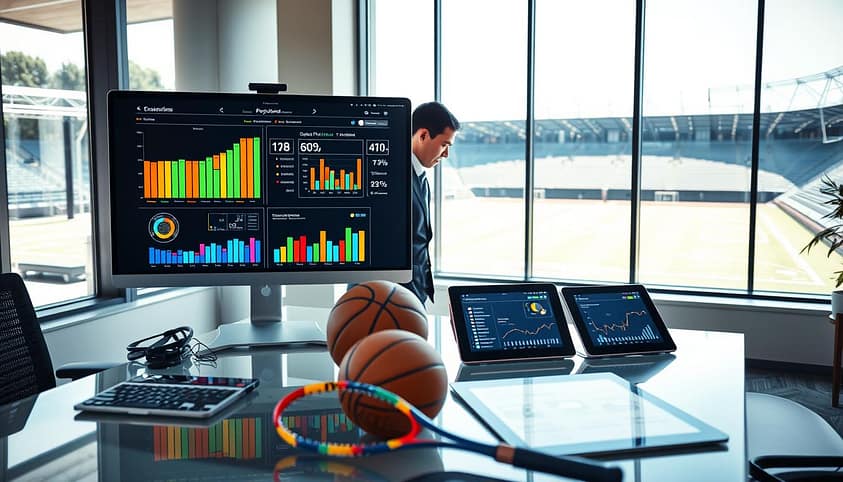
Then, there’s the volleyball study with results so damning they should come with a parental advisory warning. Athletes who watched documentaries before training showed real improvements in attack efficiency. But, those who scrolled before training? Their attack efficiency was like playing with a beach ball at a family picnic.
The cognitive fatigue from scrolling made workouts feel harder – like running through digital quicksand. The social media group thought the training was harder, even though they did the same work. Their brains were already exhausted before they even started.
Elite swimmers who avoided social media showed better endurance and race times than the scrolling group. These aren’t small differences; they’re the kind that separate champions from participants.
When we look at the data across sports, patterns emerge that should make any athlete rethink their pre-game routine. The contrast between focused preparation and digital distraction creates measurable outcomes that can’t be ignored.
| Sport | Social Media Group Results | Focused Preparation Results | Performance Gap |
|---|---|---|---|
| Professional Soccer | Decreased passing decision quality | Maintained precision levels | Significant decline in accuracy |
| Volleyball | Reduced attack efficiency | Improved attack metrics | Noticeable skill differential |
| Elite Swimming | Minimal race time improvement | Measurable endurance gains | Competitive advantage created |
These findings highlight why understanding performance marketing metrics matters beyond the digital realm. The same principles that drive business results apply to athletic achievement – focus, preparation, and minimizing distractions create winning outcomes.
The data proves that what happens before competition matters as much as what happens during it. Mental freshness isn’t some abstract concept; it’s measurable, quantifiable, and directly tied to results. Champions aren’t just made in the gym – they’re made in how they prepare their minds.
Tools for Social Impact Analysis
Athletes might worry about their social media, but data scientists are excited. Social platforms have become like labs, where every action is studied. This is a huge experiment in human behavior.
Counting likes used to be how we measured impact. Now, social listening tools track engagement with great detail. Twitter, for example, shows how fast fans can engage during live events.
The NBA’s Twitter Q&A sessions show this well. Players act like virtual mayors, talking to fans live. The data shows that behind-the-scenes content really gets people talking.
Modern social listening platforms offer:
- Real-time sentiment analysis during games and events
- Engagement mapping across global time zones
- Competitive benchmarking against other athletes
- Audience demographic breakdowns that would impress any scout
These tools have grown from simple metrics to complex systems. They measure everything from brand sentiment to sponsorship value. Sports tweets get a lot of engagement during live events.
For more on these tools, check out our guide to social impact assessment tools.
Social media can both help and hurt athletes. It’s a tool for building brands but also a challenge for athletes. It’s a double-edged sword.
Social listening shows that these platforms are more than just for talking. They amplify brands and create virtual stadiums for fans. In today’s world, digital engagement might be more valuable than physical skills.
Case Examples
Elite athletes’ social media habits are causing big problems. These issues would keep any coach up all night. They’re real stories that show how social media can harm athletic success.
A four-week volleyball study found a big difference. Players were split into two groups. One group used social media before training, the other watched documentaries.
The documentary group made better decisions. The social media group didn’t improve at all. They even got worse at attacking and felt more tired.
NBA data is also alarming. Players who used social media late at night scored less and shot worse. It’s like they were playing at a high school level.
College athletes face the same problem. Studies show that digital habits lead to slower times and less training quality. It’s like a bad sports prophecy – the more athletes use their phones, the worse they do.
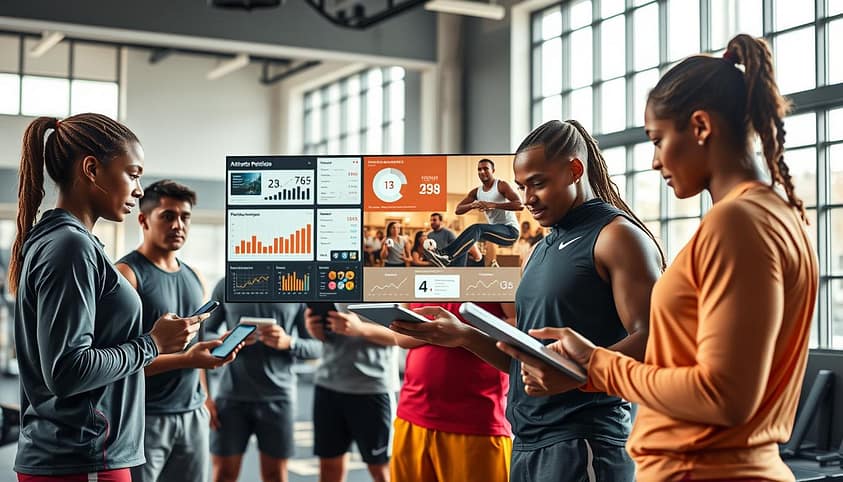
These studies show a clear pattern. The media impact on sports performance is real and scary.
Teams that manage their digital use better have an edge. It’s not just about money. Attention on social media costs a lot on the field.
| Sport | Study Duration | Key Finding | Performance Impact |
|---|---|---|---|
| Volleyball | 4 weeks | Social media use before training | Zero decision-making improvement |
| NBA Basketball | Season-long | Late-night social activity | 8% reduction in shooting percentage |
| Collegiate Track | Competition season | Digital behavior patterns | Slower race times by 2-3% |
| Multiple Sports | Ongoing research | General social media use | Increased mental fatigue levels |
The evidence is clear. That little device in your pocket might be your biggest rival. And it’s winning.
Converting Engagement to Revenue
Digital metrics meet real-world dollars here. Athletes might sacrifice their game for social media fame. This is a modern Faustian bargain. Data shows 63% of marketers are boosting their influencer budgets.
Social platforms have become powerful revenue engines. They offer targeted ads that would impress Don Draper. Shoppable posts and in-app checkout make buying easy, turning followers into customers with a simple tap.
The question is, what’s the cost to their athletic skills? While social media engagement drives revenue, poor on-field performance could hurt their brand value. It’s a paradox of the attention economy – digital success might come at the cost of real-world performance.